Why Are Polyester/PVC Materials Commonly Used for Industrial Raincoats?
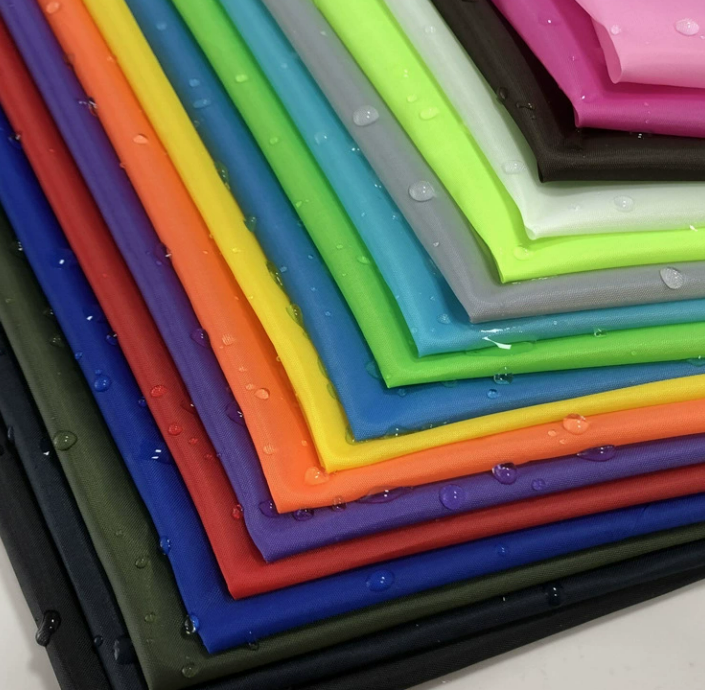
Industrial raincoats are often made from a combination of polyester fabric coated with PVC, as this structure meets the practical requirements of heavy-duty and long-term use.
1. Strong Waterproof Performance
PVC provides an effective waterproof barrier, helping prevent water penetration during heavy or prolonged rain. This is important for workers who stay outdoors for extended periods.
2. Durability and Strength
Polyester serves as a strong base fabric. When combined with PVC, the material offers good resistance to tearing, abrasion, and mechanical stress, which are common in industrial environments.
3. Easy Cleaning and Maintenance
Polyester/PVC raincoats are easy to clean. Dirt, oil, and industrial stains can usually be wiped off with a damp cloth, reducing maintenance effort.
4. Shape Stability and Long Service Life
Compared with softer materials such as EVA or PU, Polyester/PVC maintains its structure and protective performance better during frequent use.
5. Cost-Effectiveness for Industrial Use
This material combination offers a practical balance between protection, durability, and cost, making it suitable for large-scale industrial applications.
Limitations:
Polyester/PVC is less breathable and may feel warm in high-temperature conditions. In hot environments, alternative materials may be considered.
FAQ
1. What is the difference between an industrial raincoat and a regular raincoat?
Industrial raincoats are designed for long-term use and demanding environments. They usually use stronger materials, reinforced seams, and additional protective features.
2. What materials are commonly used for industrial raincoats?
Polyester/PVC is widely used, along with PU and TPU. The choice depends on working conditions, wearing time, and comfort requirements.
3. How can waterproof performance be evaluated?
Waterproof performance is usually measured by water column (mm). For industrial use, levels of 3000 mm or higher are commonly selected.
4. Are industrial raincoats suitable for long working hours?
Yes, but material selection matters. Heavier materials offer better protection but may reduce breathability.
5. How should industrial raincoats be cleaned and maintained?
Surface cleaning with a damp cloth is recommended. Store the raincoat in a dry, ventilated place. Machine washing is usually not advised.
6. Are reflective elements necessary for industrial raincoats?
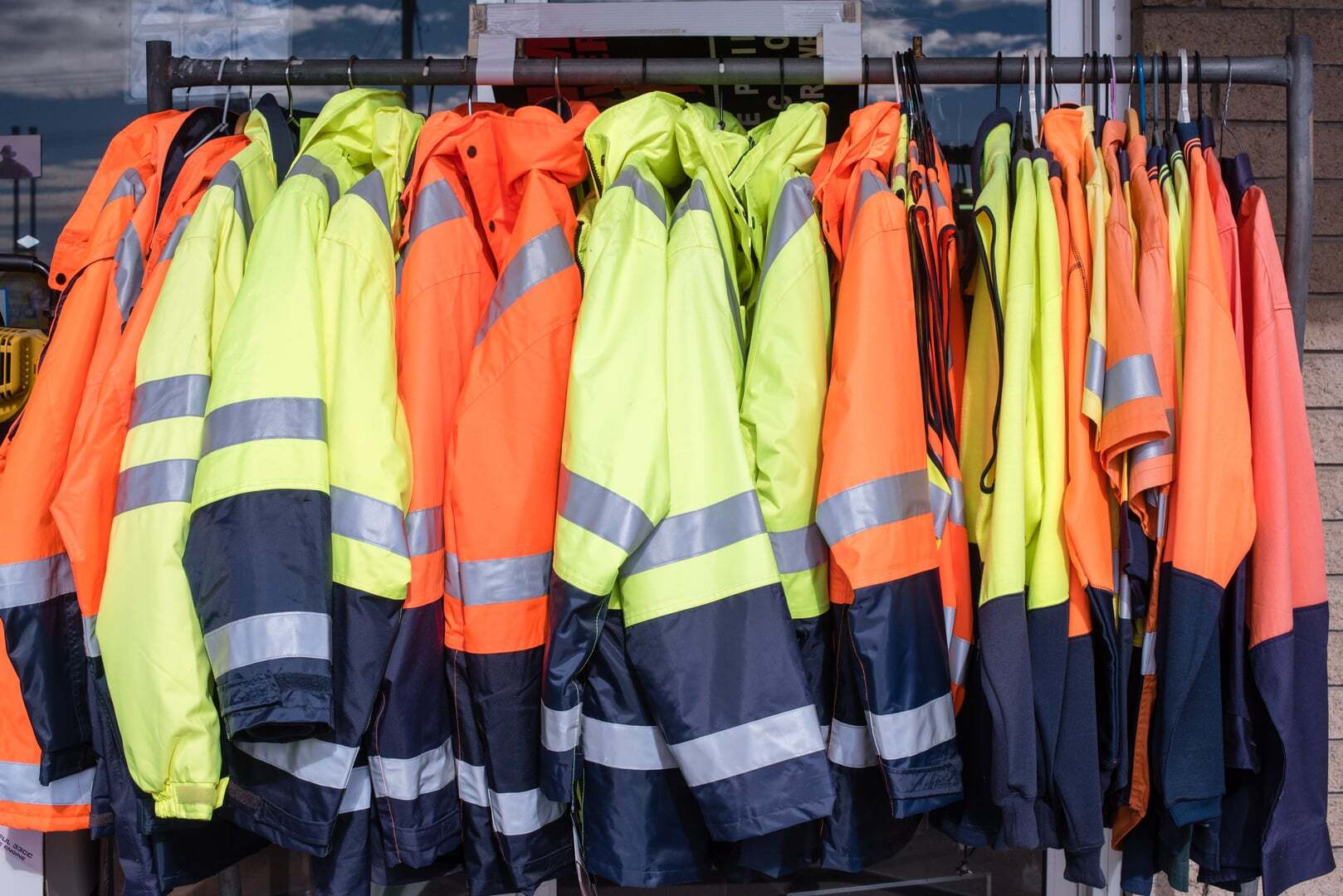
In low-visibility environments, reflective strips help improve safety and are commonly used in logistics, construction, and road work.
7. Why are seams important in industrial raincoats?
Sealed or welded seams help prevent water leakage and improve durability.
8. Which industries commonly use industrial raincoats?
They are widely used in construction, logistics, agriculture, public services, and manufacturing.
9. How should the size of an industrial raincoat be selected?
Consider the workwear worn underneath and choose a size that allows enough room for movement.
10. Are there any limitations of industrial raincoats?
Heavier materials may feel less comfortable in hot conditions, so lighter alternatives are sometimes chosen.


Industrial Waterproof Workwear: How to Source High-Performance Raincoats Directly from the Manufacturer
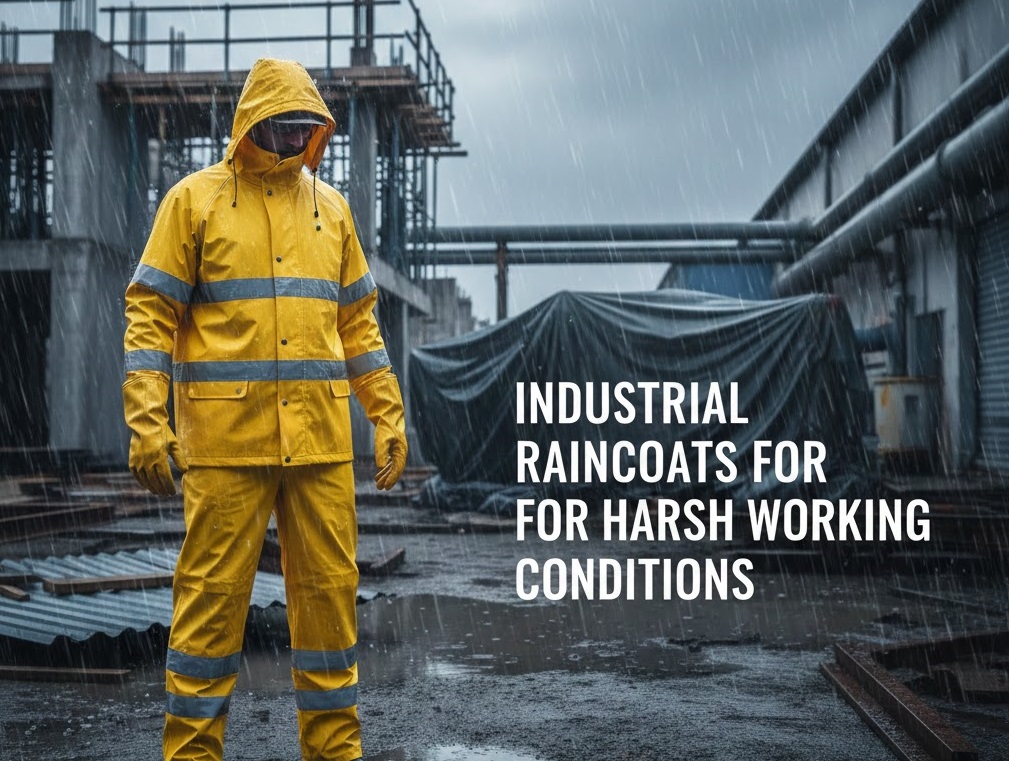
Industrial Raincoats for Harsh Working Conditions