Top Things When Looking For Safety Rainwear

Top Things When Looking For Safety Rainwear
In rainy weather, rainwear serves not only as a waterproof tool but also as a vital safety measure. Safety rainwear featuring high-visibility designs significantly enhances wearer's visibility in foggy or dim conditions, reducing accident risks. Such products are now widely used in road construction, sanitation, traffic management, construction, fishing, agriculture, and other fields.
I. Material Selection for Safety Rainwear: Balancing Waterproofing and Durability
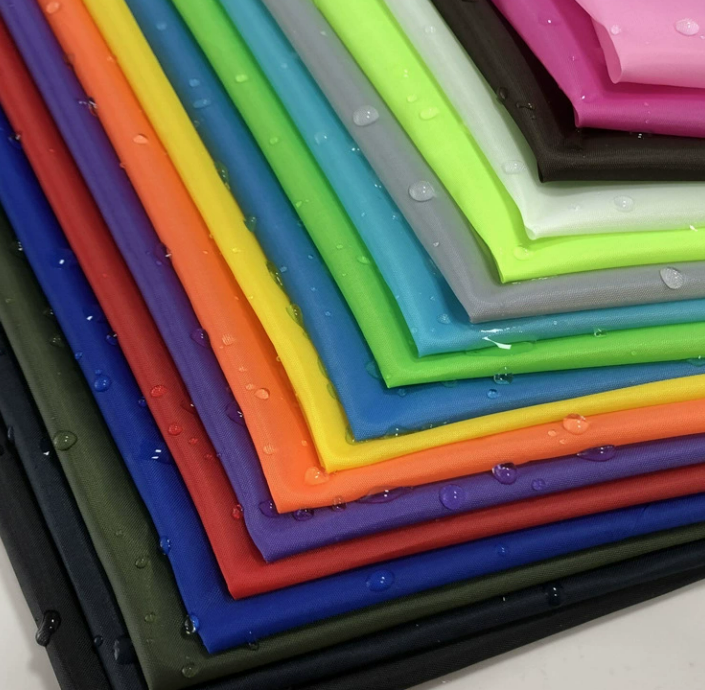
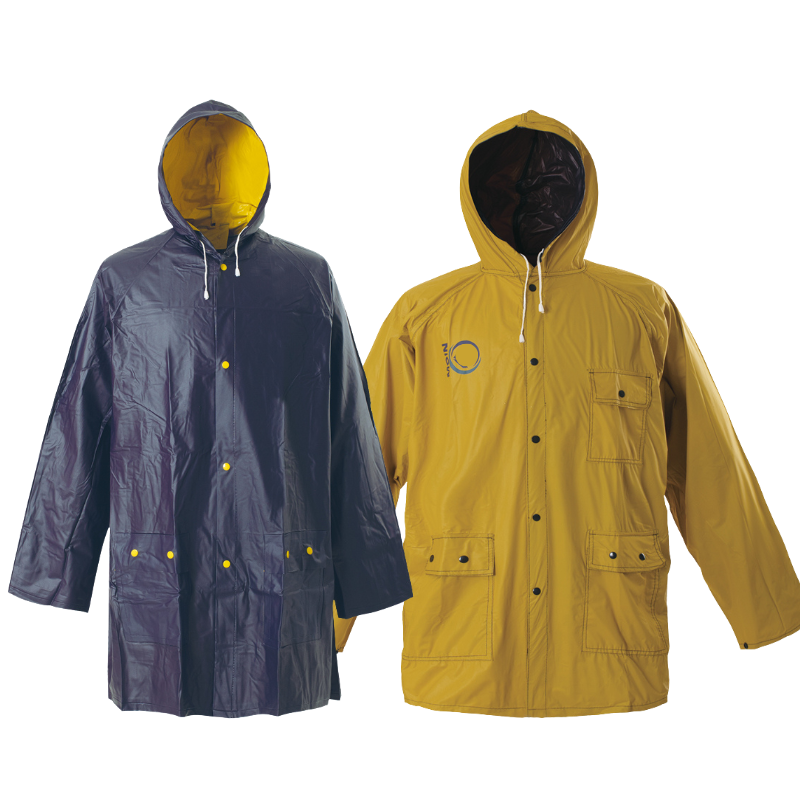
A quality safety raincoat must first deliver reliable waterproofing. Common materials include PVC, PVC/polyester, polyester/PVC composite fabrics, and PU-coated fabrics:
PVC: Economical and practical, suitable for emergency and general use
PVC-coated fabrics: Exceptional waterproofing, ideal for most outdoor tasks
Polyester/PU fabric: Lightweight, soft, comfortable to wear, and more breathable;
Abrasion Resistance: For environments like construction sites and roadworks, the fabric must also offer tear resistance and abrasion durability.
II. High Visibility and Reflective Design of Safety Rainwear
Unlike ordinary rainwear, the core advantage of safety rainwear lies in its “high visibility.”
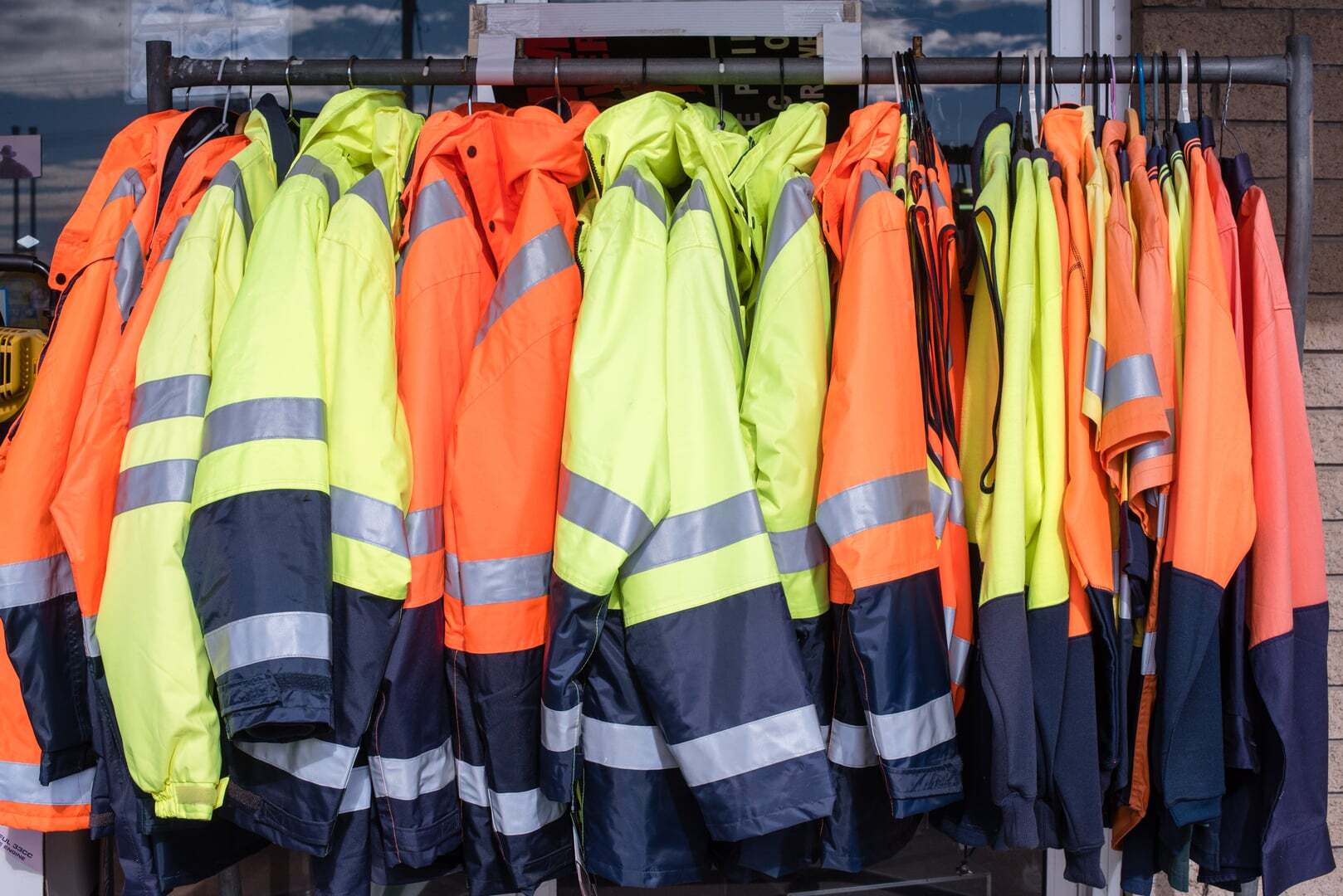
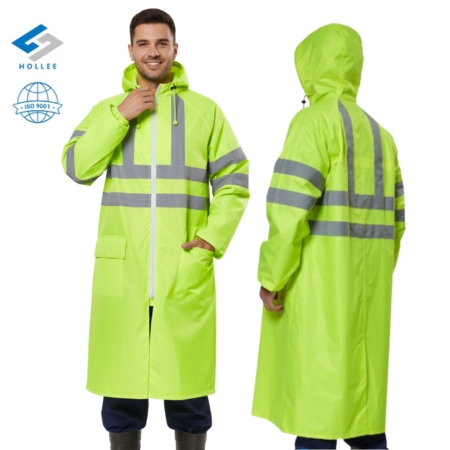
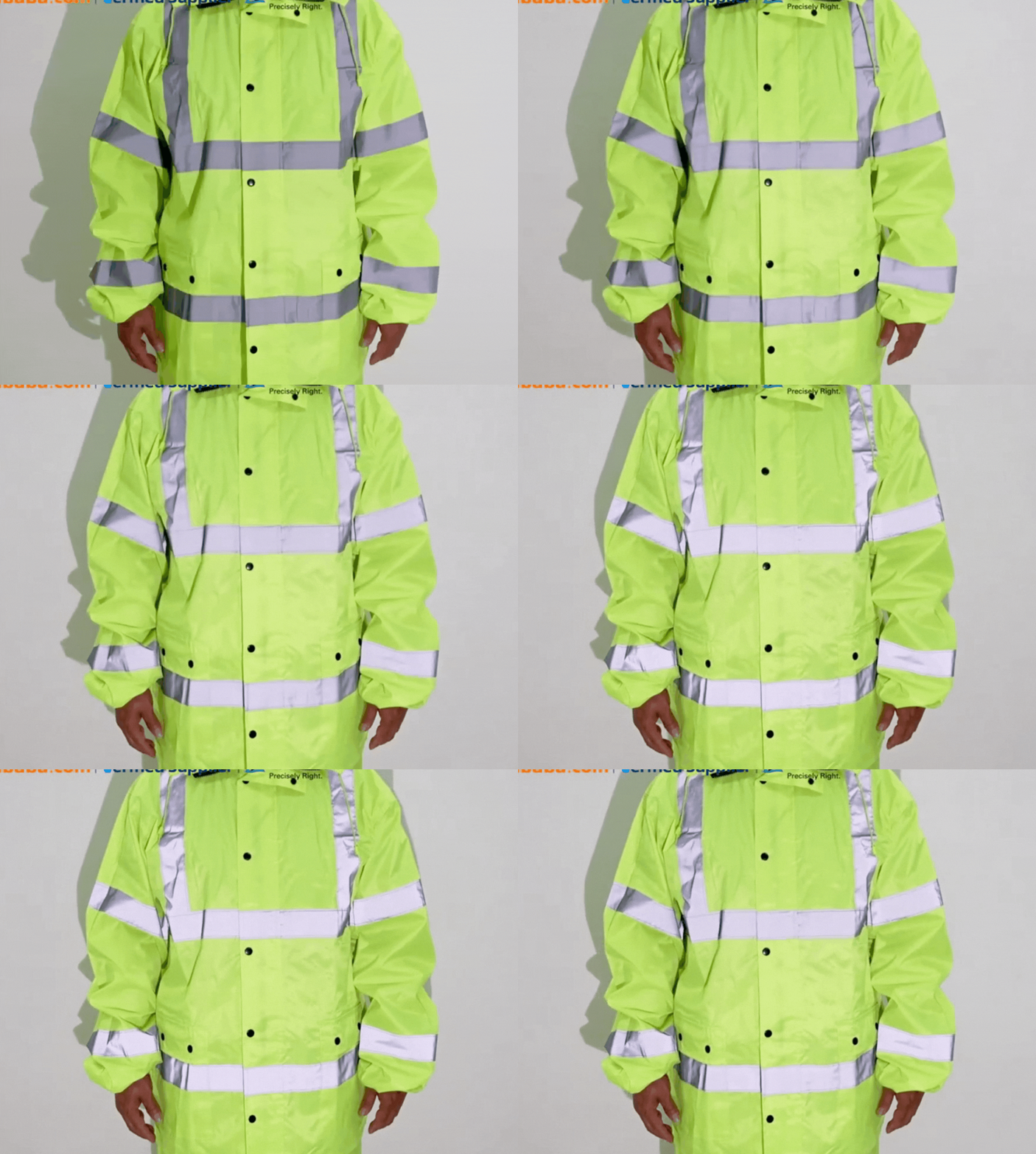
Fluorescent fabrics: Common fluorescent yellow, orange, and green stand out distinctly in daylight and overcast conditions;
Reflective strips: At night or in low light, vehicle headlights create strong reflections off these strips, making the wearer highly visible;
Strategic placement: Reflective strips typically encircle the chest, waist, arms, and calves (on rain pants) to ensure visibility from all angles.
III. Structural Details of Safety Rainwear: Comfort and Practicality
While ensuring protection, safety rainwear must also prioritize long-term wearability.
Windproof cuffs: Elasticated cuffs block wind and rain;
Waterproof seams: All seams are heat-sealed or taped to prevent water penetration.
Zipper and storm flap: Main zipper features a storm flap to keep wind and rain out.
Adjustable Hood: The rain hood can be tightened to protect against wind and rain without obstructing vision.
Waterproof Pockets: Flap-covered waterproof pockets allow you to carry your phone and tools without fear of water damage.
Ventilation Holes / Back Cape: Reduce stuffiness during prolonged wear and enhance comfort.
IV. Primary Applications of Safety Rainwear
Safety rainwear serves diverse industries and scenarios:
Road & Traffic Operations: Ensures visibility for sanitation workers, road construction crews, and traffic police during inclement weather.
Construction & Industrial Sites: Maintains safety and protection for construction workers and warehouse handlers.
Outdoor Emergency & Rescue: Enhances high visibility for firefighters and paramedics during missions, facilitating rapid team identification.
Cycling and Commuting: Nighttime cyclists, motorcycle riders, delivery personnel, and others to enhance road safety.
V. Standards and Certifications for Safety Rainwear
When selecting safety rainwear, also verify compliance with relevant standards:
EN ISO 20471 (European high-visibility clothing standard);
ANSI/ISEA 107 (American high-visibility safety clothing standard);
CSA Z96 (Canada high-visibility safety clothing standard)
Class 2 / Class 3 (differing visibility requirements based on work conditions like highway construction or routine maintenance).
Certified safety rainwear delivers genuine protection when it matters most.
Conclusion
Safety rainwear transcends mere rain protection—it plays a vital “protective role” in both work and travel. Choosing high-quality safety rainwear adds an extra layer of security for yourself and your team.
Market Insight: Waterproof Workwear & Rainwear Market (Russia)
Why Choose Composite PVC Rainwear?